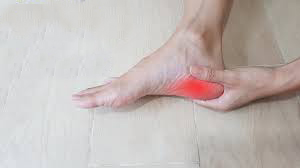
Calcaneal spur, also known as heel spur, occurs when a bony outgrowth forms on the back of the heel bone or on the sole of the foot.
It is a condition that’s associated with;
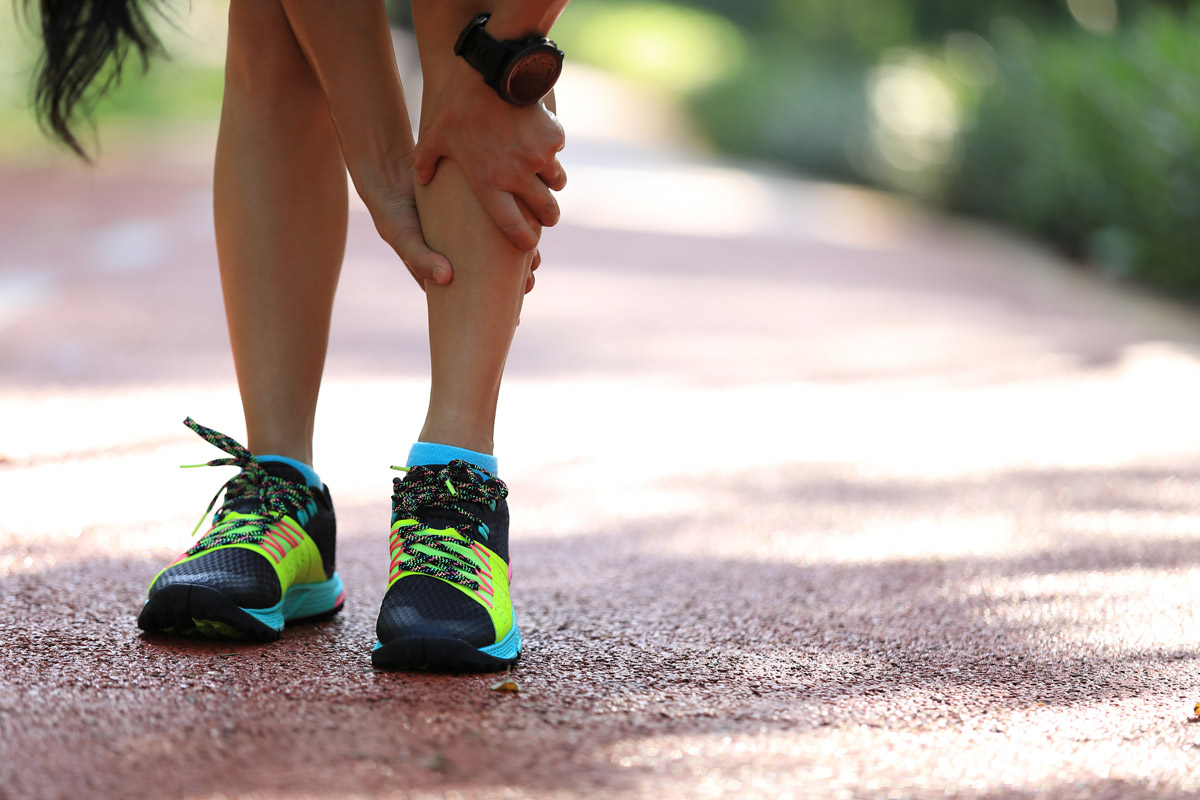
- Active runners and joggers
- Prolonged high heel wear that strains the foot
- Overweight/obese individuals
- Individuals with either flat foot or high foot arch’s
- Middle aged individuals who walk a lot
Signs and symptoms
In most individuals, it barely produces any symptoms in its early stages.
- Persistent pain at the heel, maybe throbbing or dull pain. Most pain in the morning, walking, standing or after rest.
- Pain when walking barefoot or with flat shoes.
- May have numbness or tingling sensation at the sole.
Causes of calcaneal spur
- Heel spurs generally develop as a result of stress or strain to the soft tissues that insert at the bottom of the foot. This causes calcium deposits to build on the heel bone.
- It is often associated with plantar fasciitis due to the damage of inflamed fascia.
- Inappropriate foot biomechanics due to altered gait.
- Stiff ankle joint which causes reduced ability of the tissues to absorb shock.
- Having one leg shorter than the other (leg length discrepancy)
- Individuals with bowed/knocked knees.
- Abnormal walking and running pattern.
- Calcaneal fracture especially stress fractures
Diagnosis
- X-ray- shows a ‘hook-like’ profusion on the calcaneal bone.
- Thorough physical exam
- Patients’ history
- Occupation history
Physiotherapy management
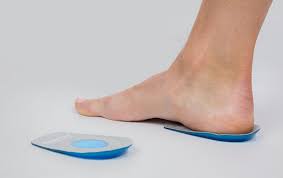
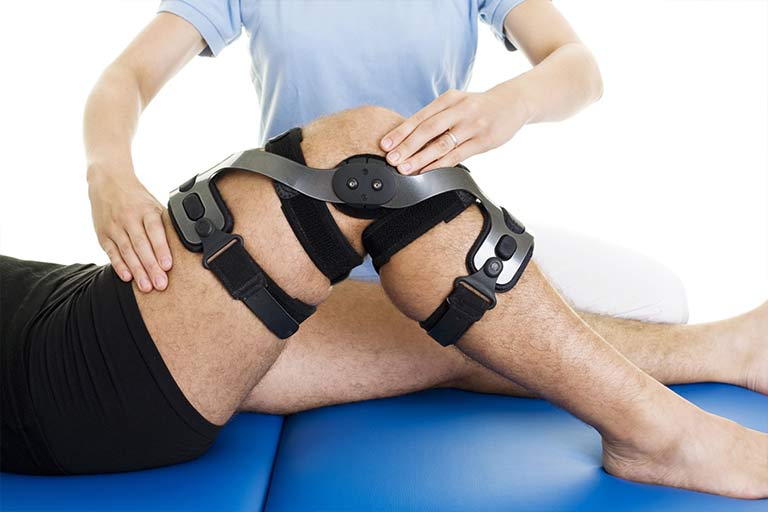
- Foot orthotics- these are supportive and corrective orthopedic devices that offload the pressure of the foot and facilitate proper positioning of the foot.
These include-
- Night splints- where the ankle is fixed in dorsiflexion (foot facing up) to avoid loading the plantar fasciitis.
- Heel inserts/insoles- to relieve pressure for the sole of the foot.
- Footwear modification- where the sole of the foot is raised. This is crucial for individuals whose one of the legs is shorter than the other.
- Rest from provoking factors.
- Thermotherapy and electro therapy for pain relief
- Splinting and strapping of the foot.
- Passive stretching of the plantar fascia.
- Strengthening exercises of the calf and sheen muscles
Gait reeducation.